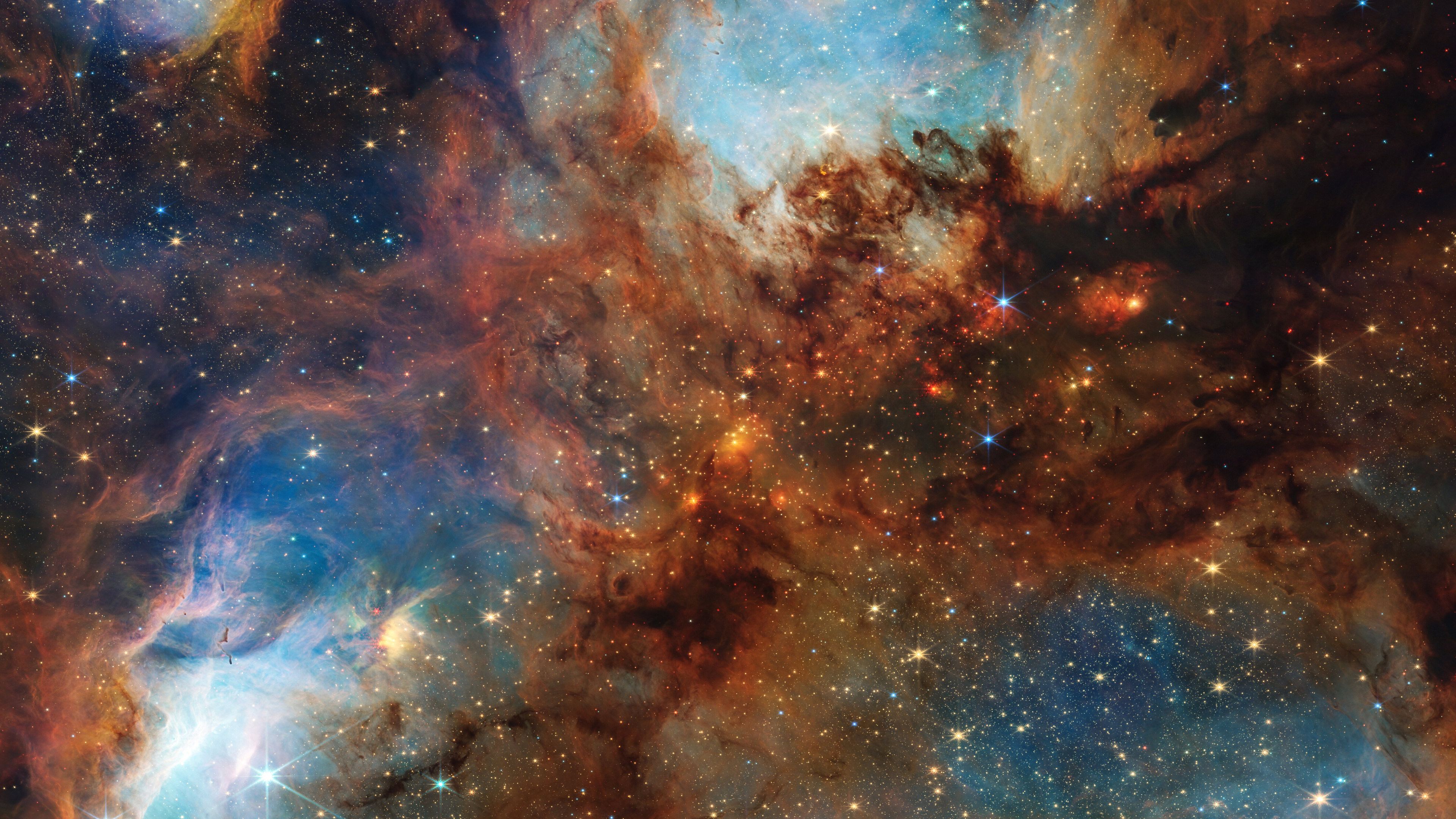
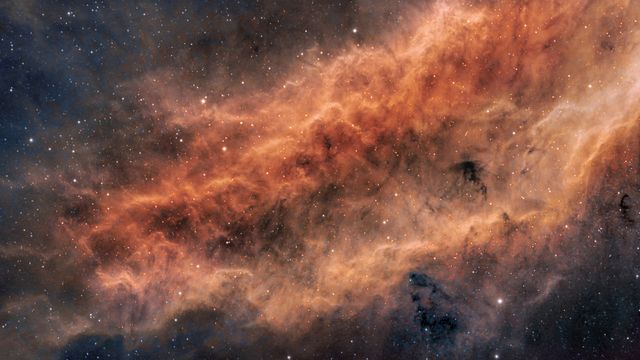
Blue Orange Nebula, Stardust, Stars
© NASA, ESA, CSA, STScI
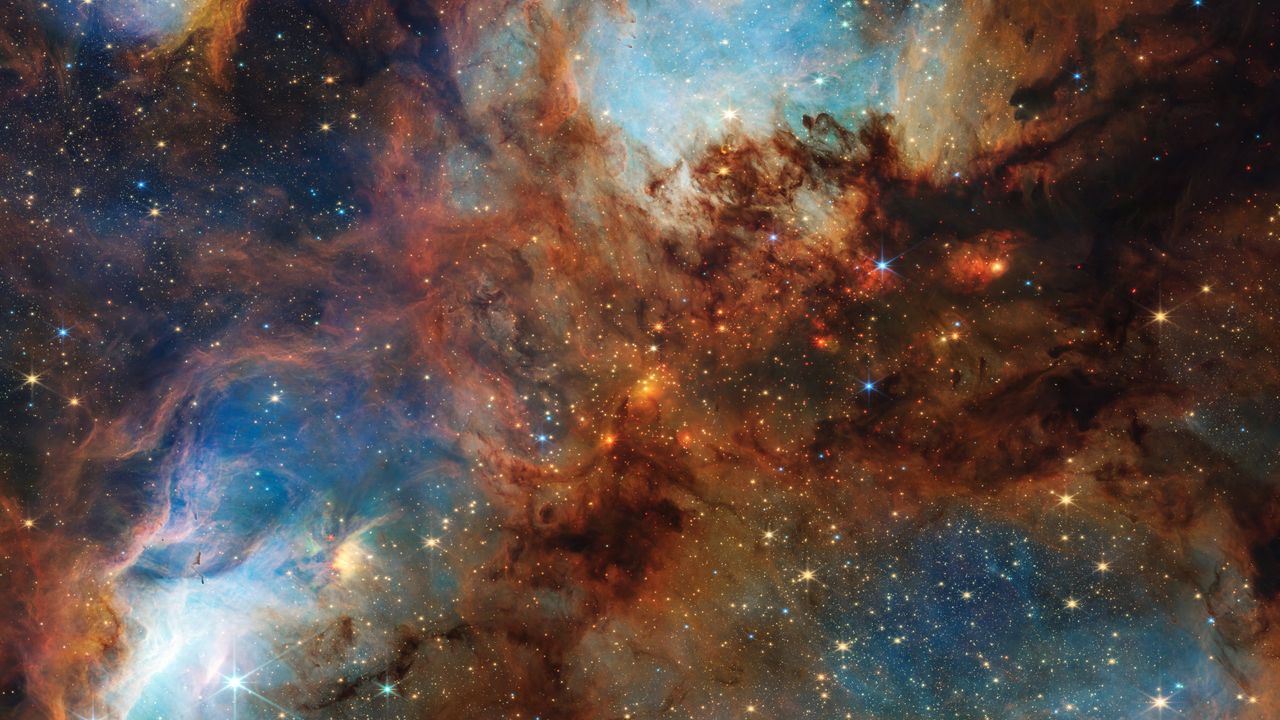
Though our stable Solar System is now thousands of light years from any star-forming action, we humans have understood the basics of how stars are born since at least the days of Immanuel Kant. In 1755, he suggested that clouds of space matter slowly gathered into very dense clumps, eventually becoming heavy enough to form the sun and later the planets. Called the nebular hypothesis, this is still the best-supported model of how planetary systems form, and it appears all across the universe. This image—captured by the James Webb Space Telescope—details the Cat's Paw Nebula, an active stellar nursery over 4,000 light years away.
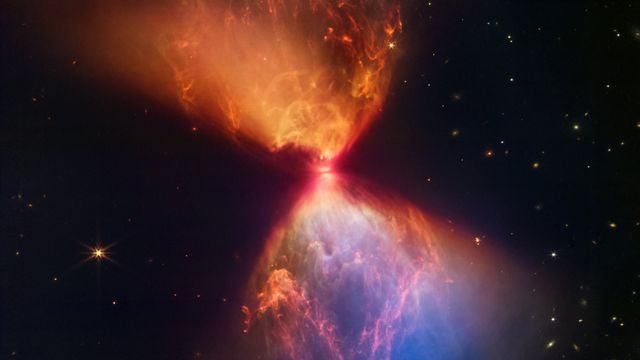 哺育未来的太阳?
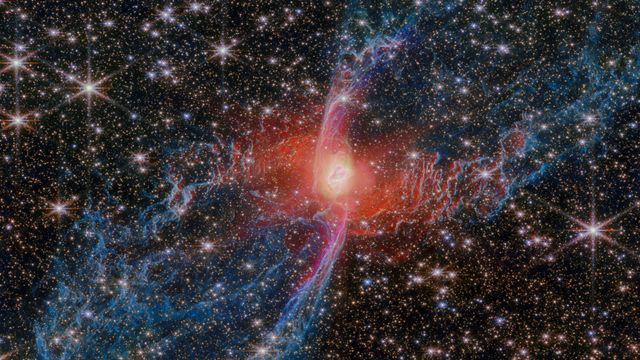 令人毛骨悚然的宇宙“蜘蛛”
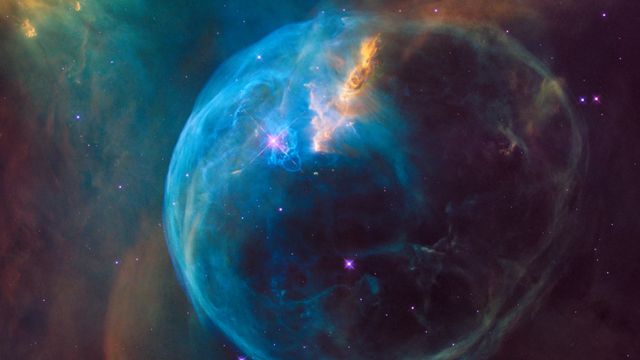 太空“泡泡”
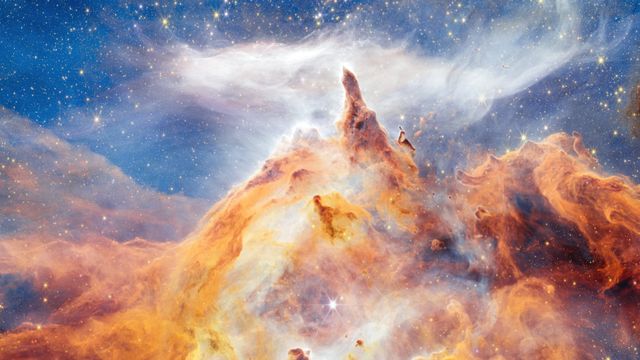 “巨钳”中的恒星
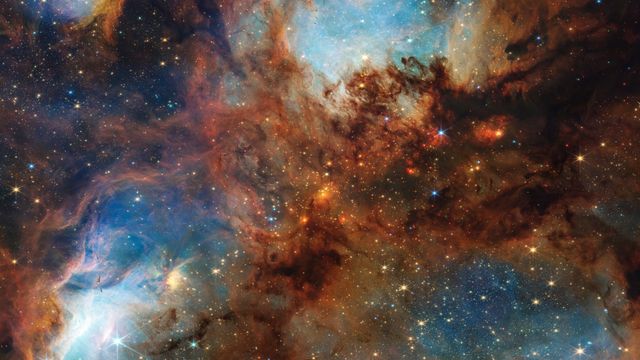 形似猫爪的星团
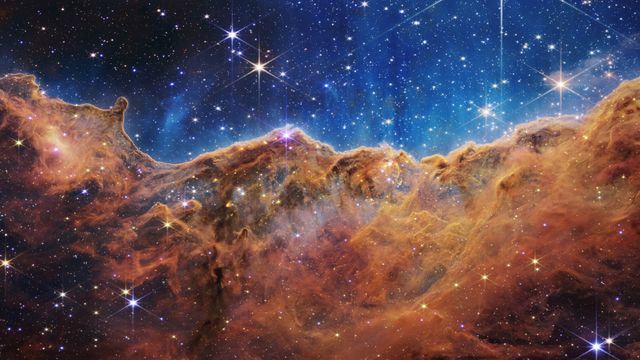 星辰工厂
星辰工厂
 太空中的一个州